Sarah Treadwell
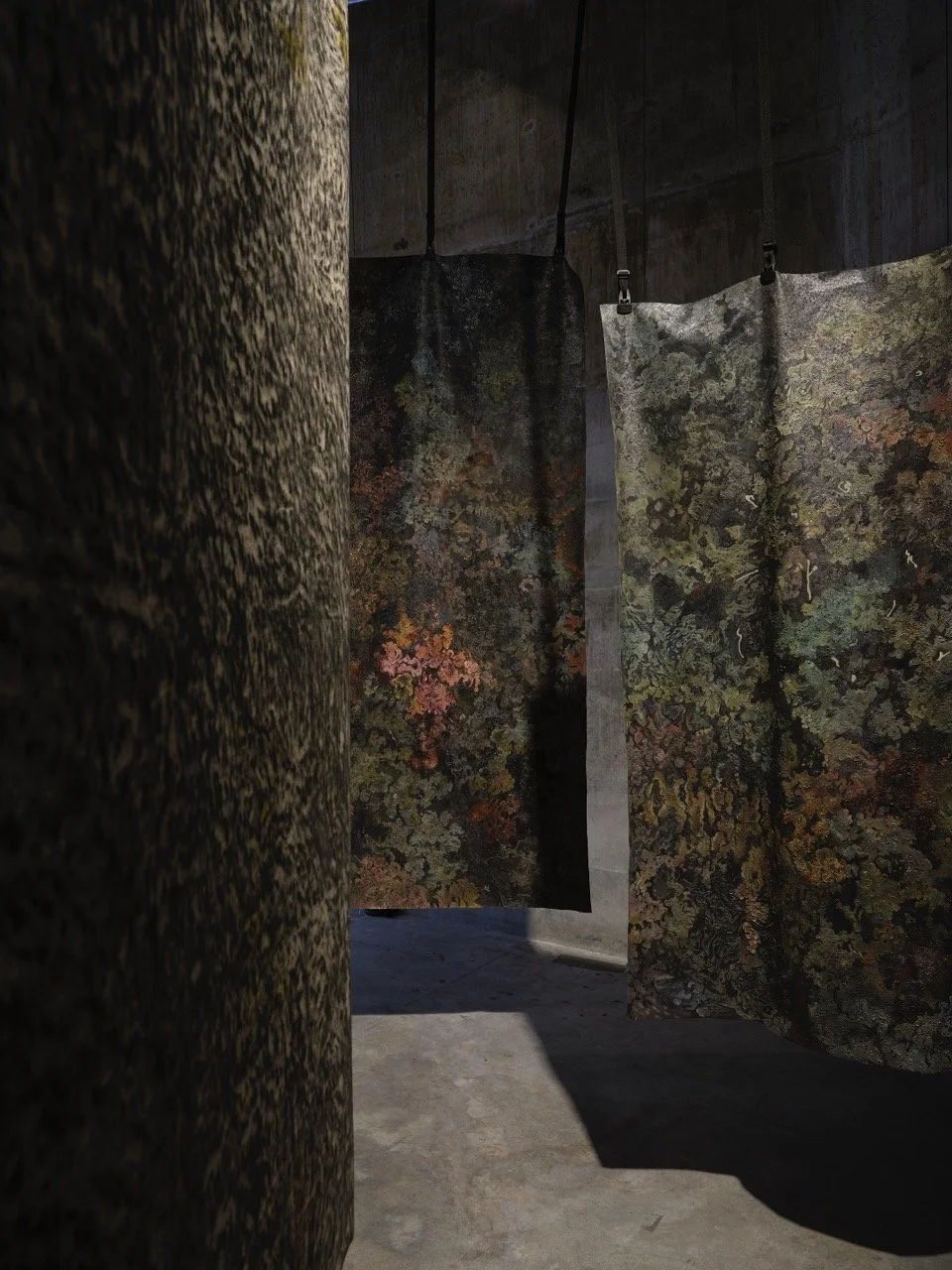
Artist Works
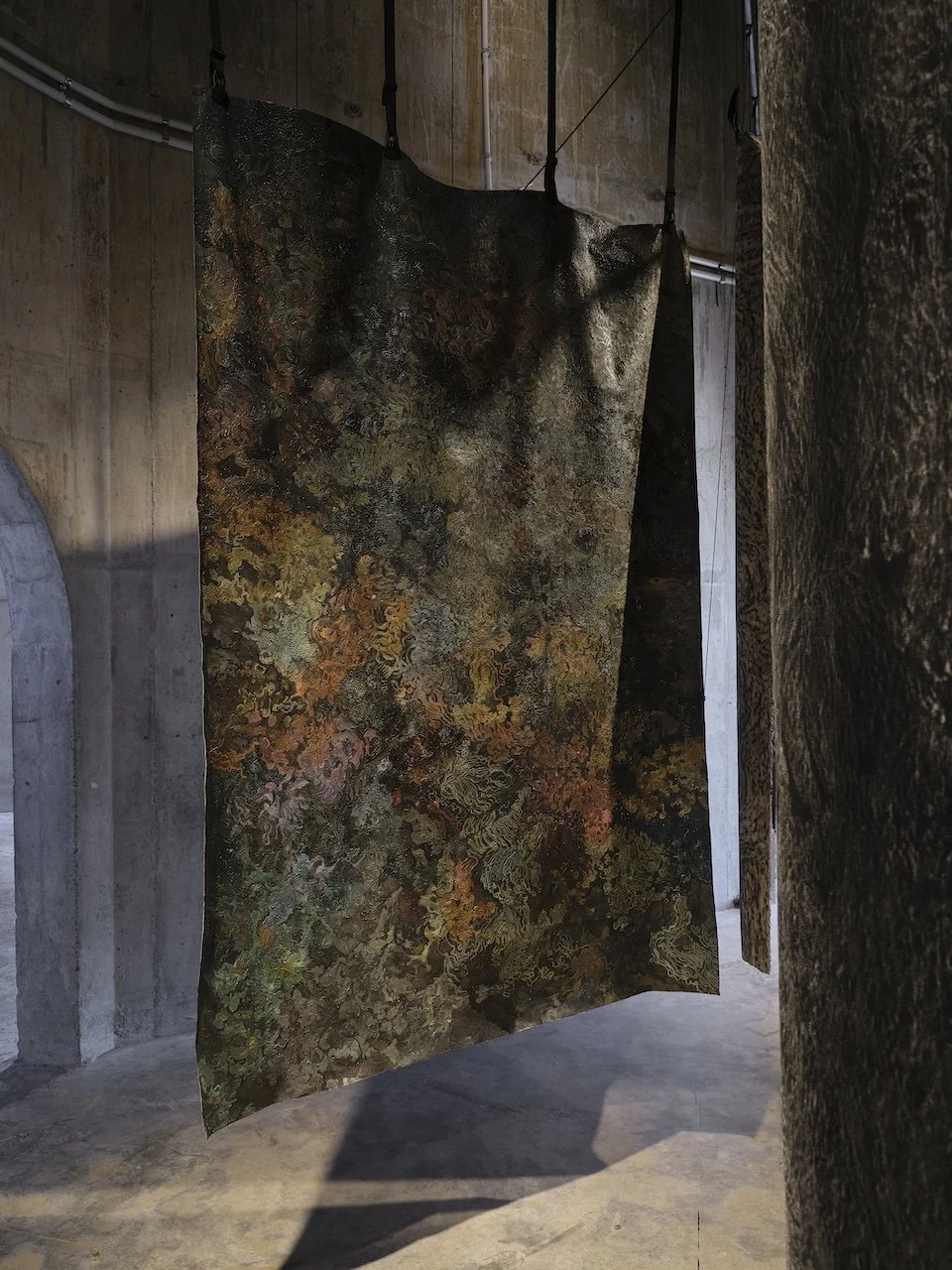
Sanctuary 6
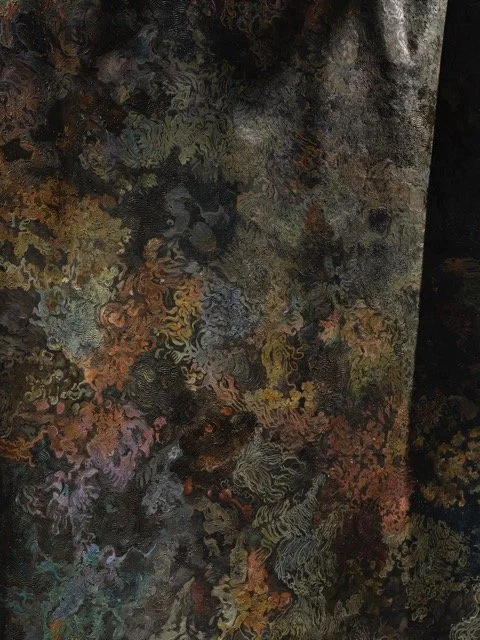
Sanctuary 6 (detail)
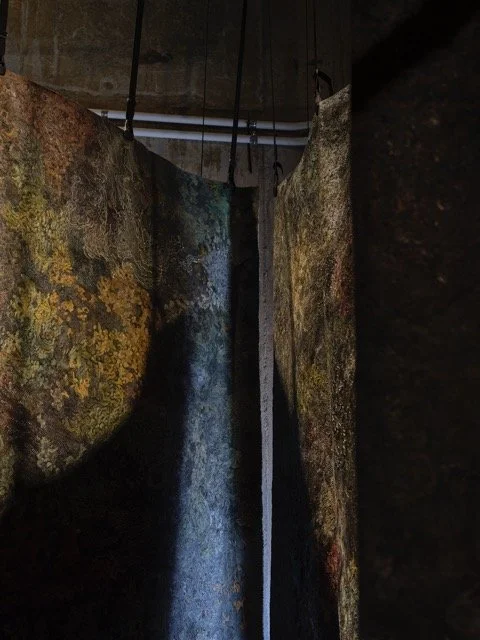
Sanctuary 4 (left) | Sanctuary 5 (right)
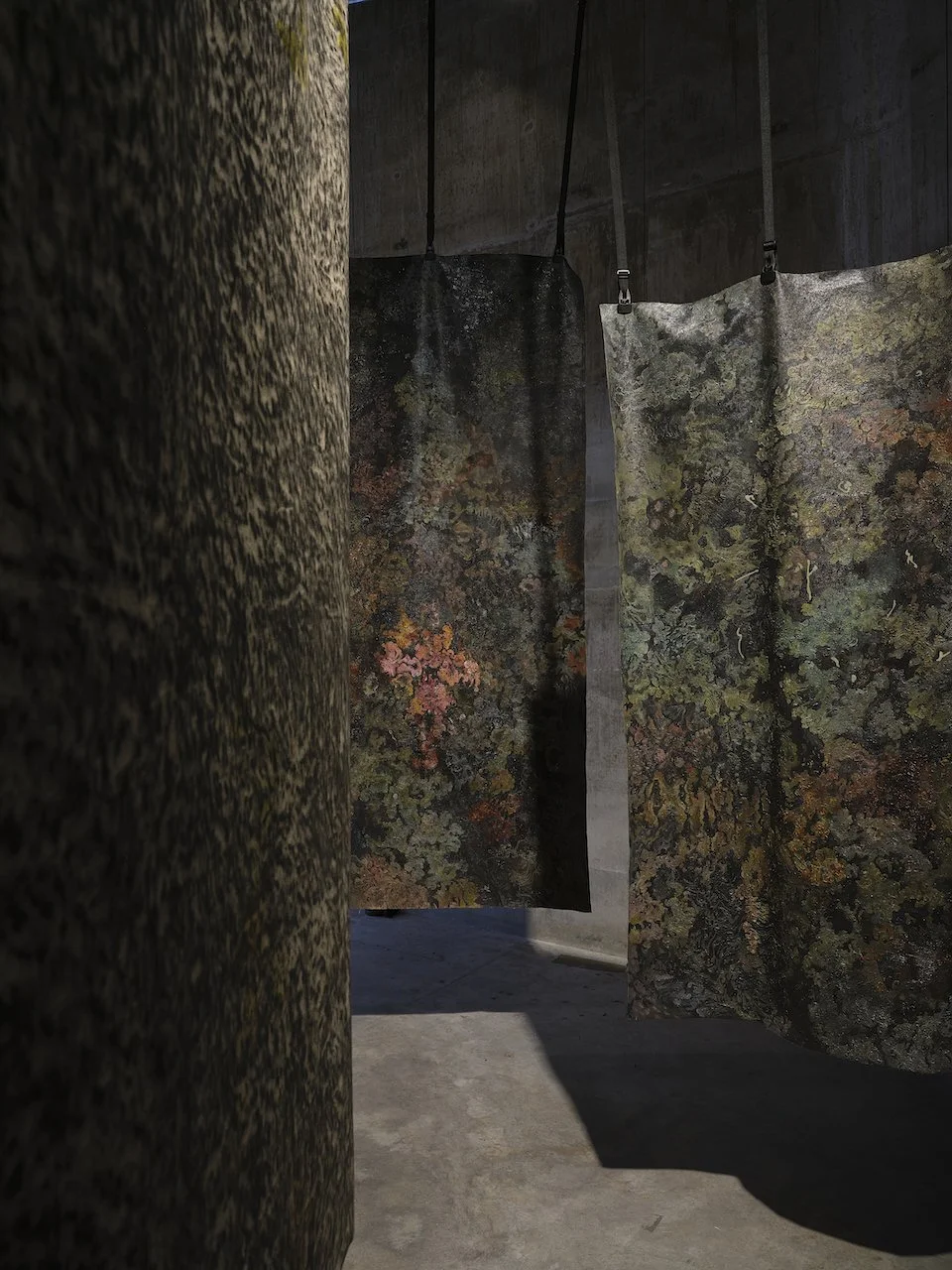
Sanctuary 4 (left back view) Sanctuary 7 (right)
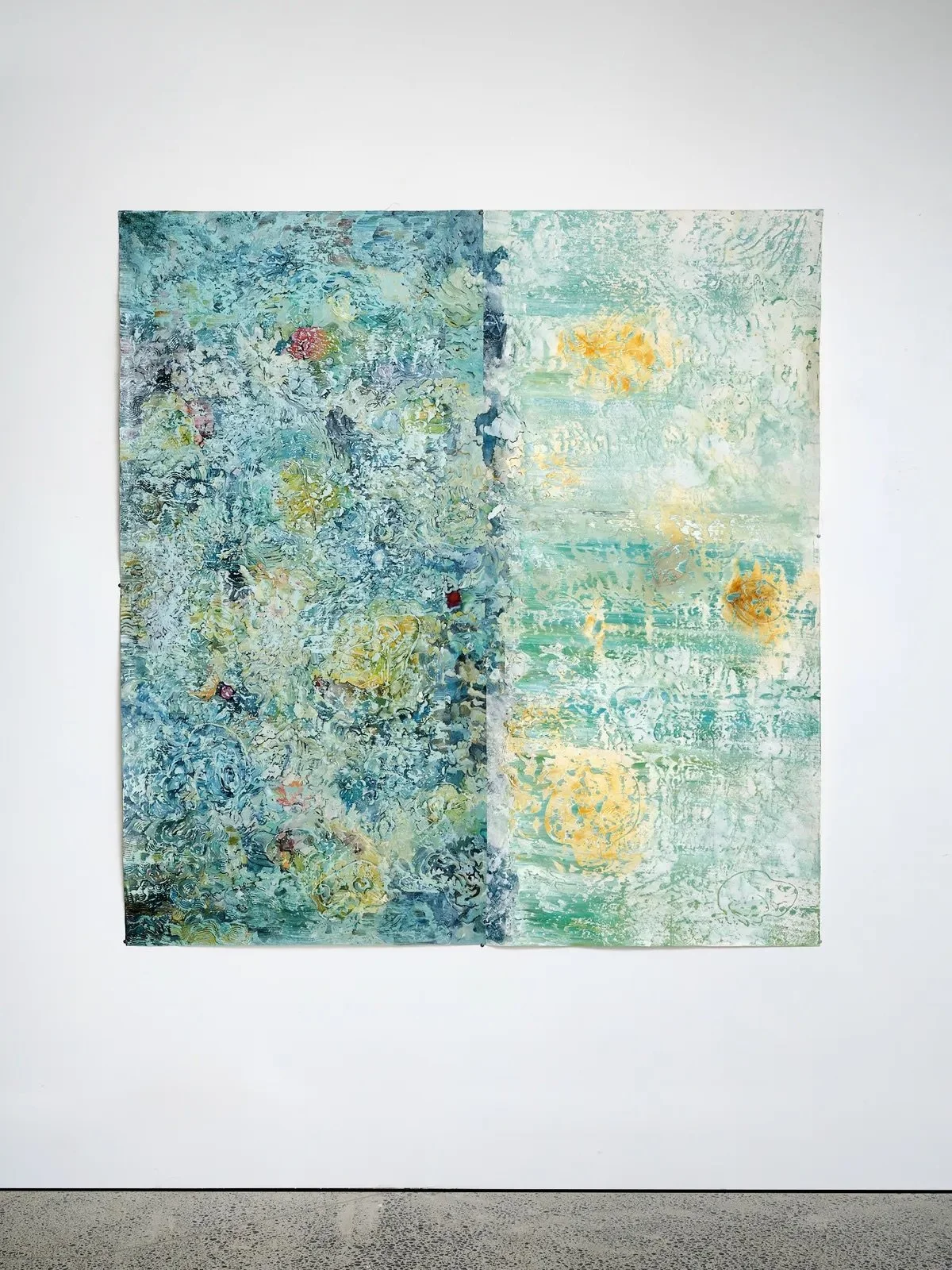
Sea Text 1 Linear Animation
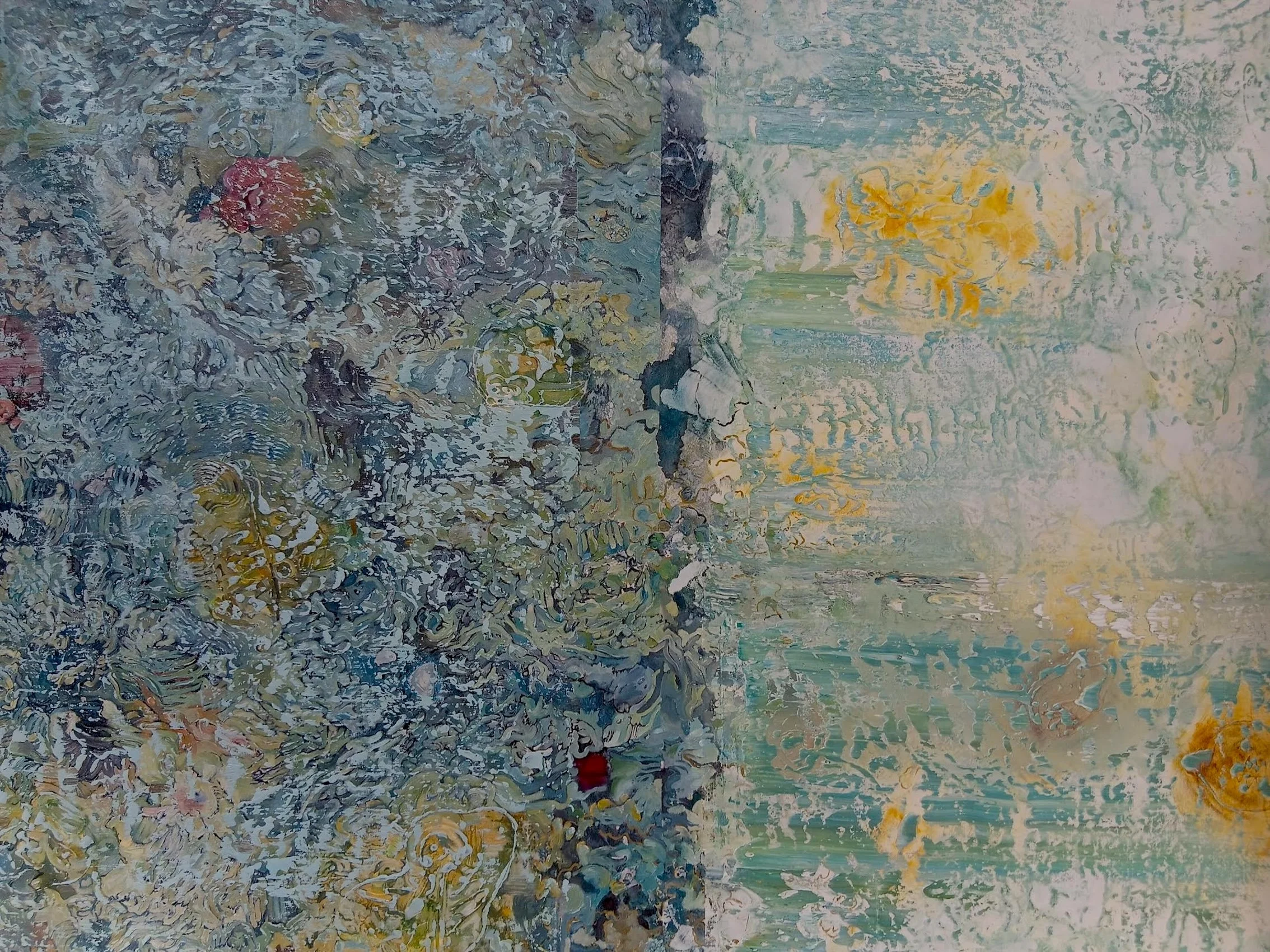
Sea Text 1 Linear Animation detail
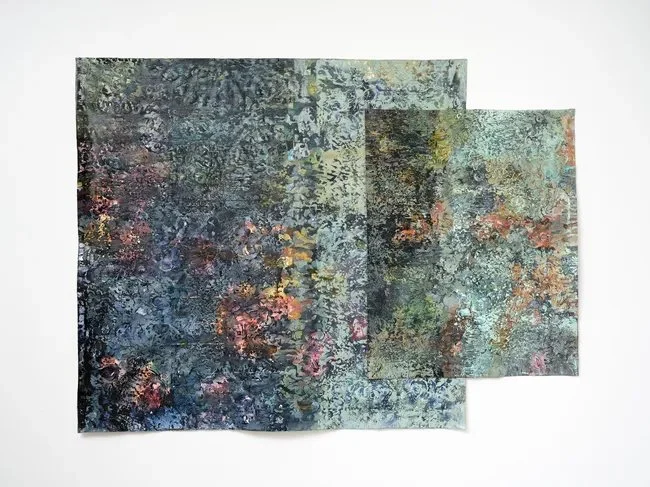
Seat Text 2 Overlap
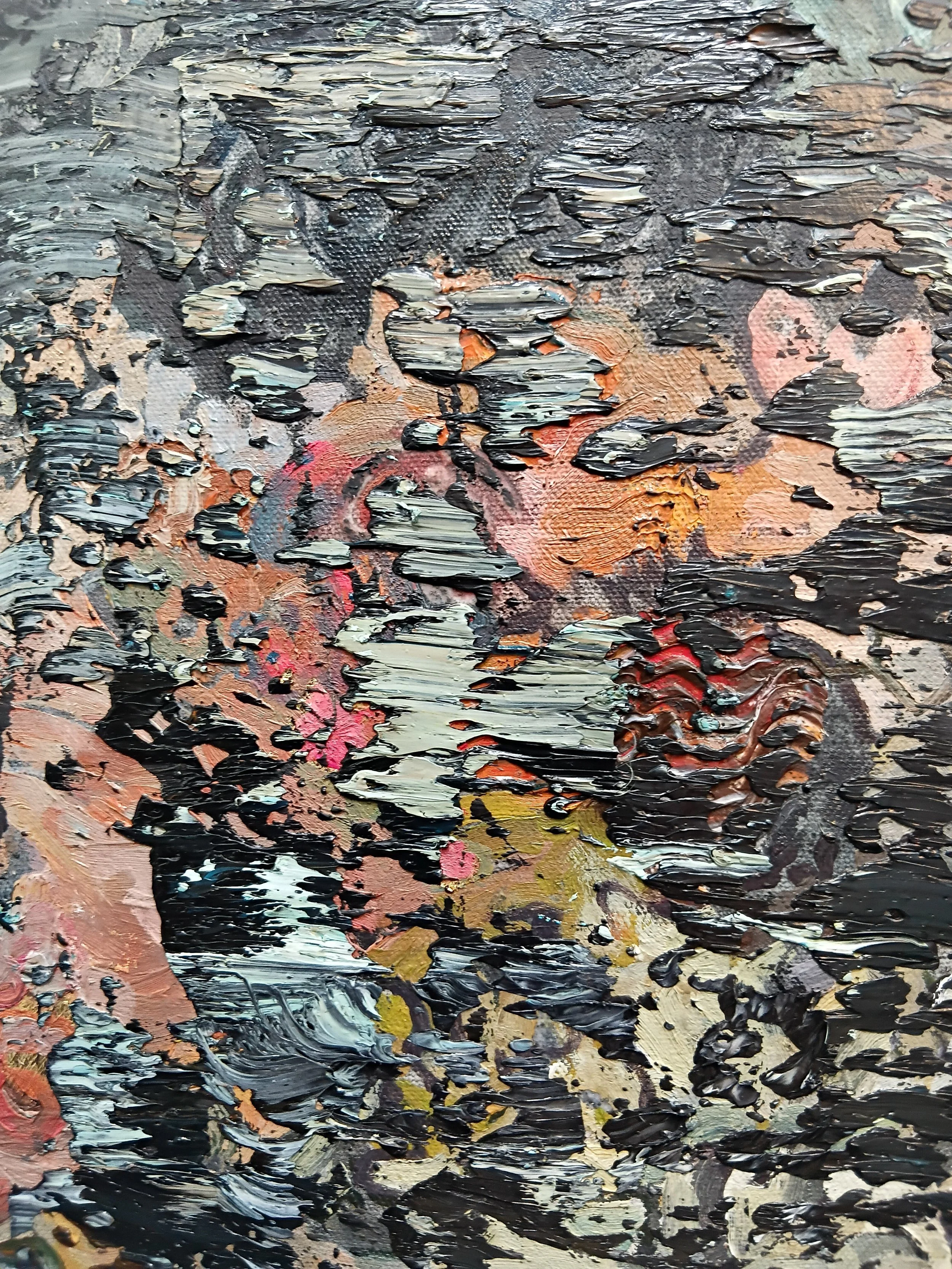
Sea Text 2 Overlap Detail
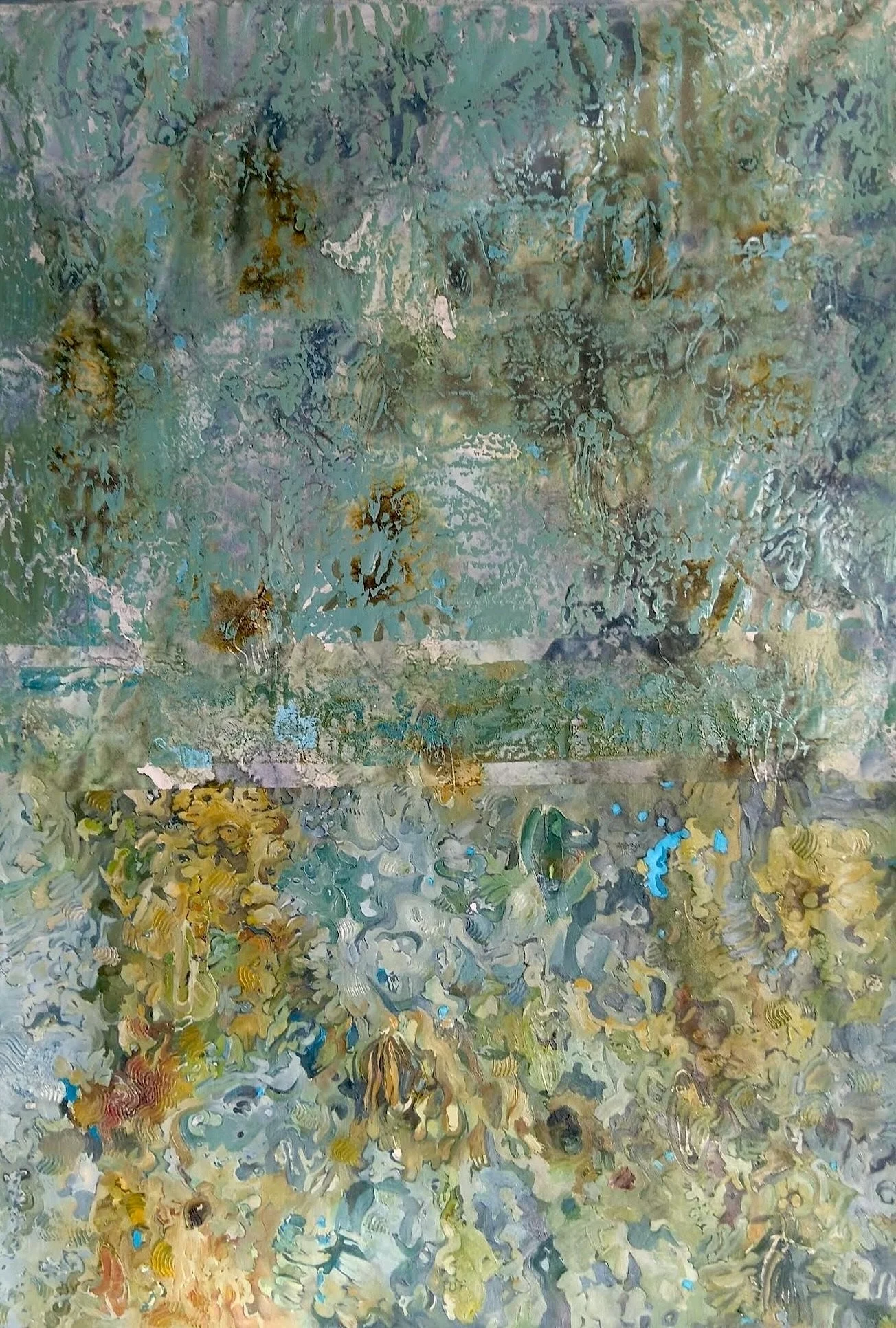
Sea Text 3 Tidal Oscillation
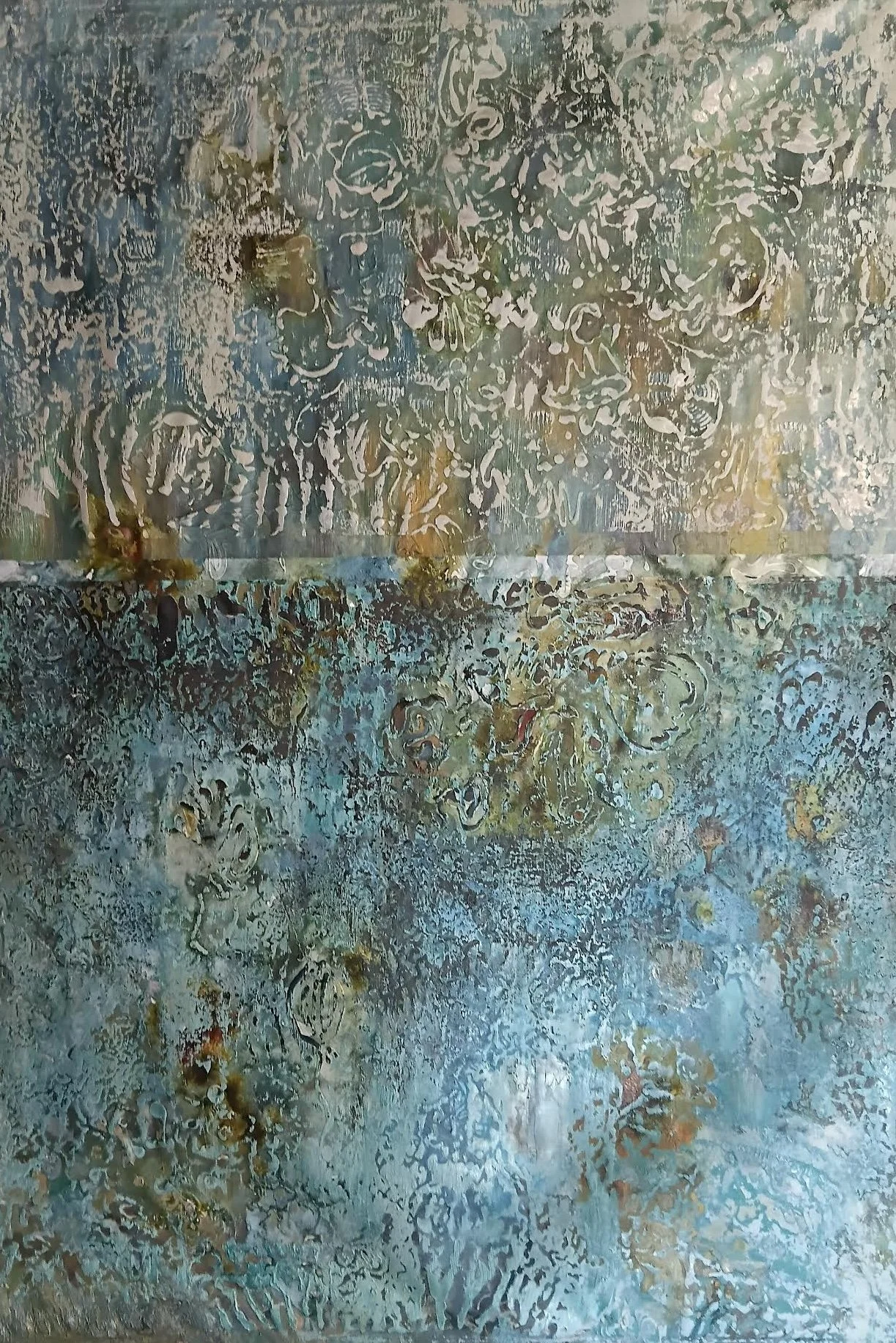
Sea Text 4 Words move away
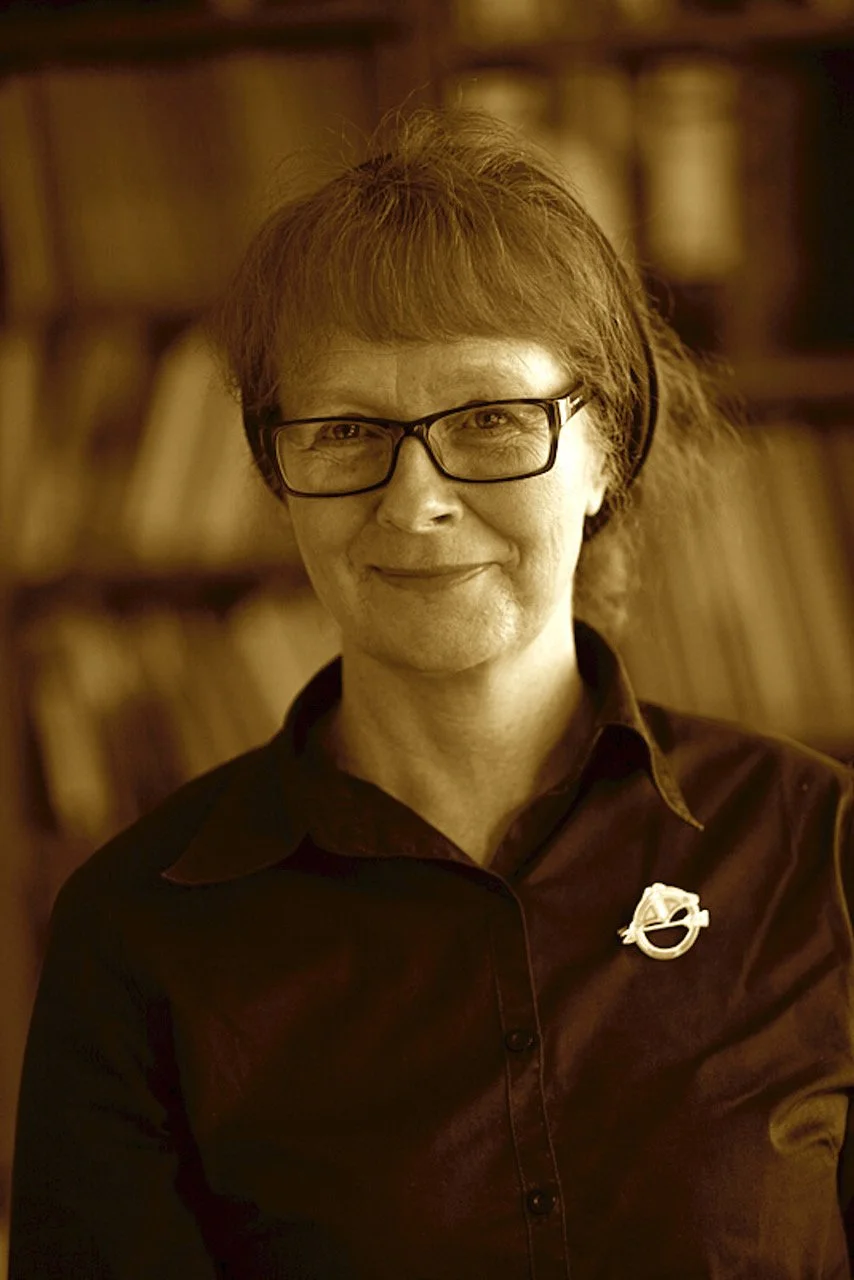
Sarah Treadwell | Bio
Graduating in architecture, Sarah Treadwell registered and then practiced in Pōneke Wellington and London, returning to Tāmaki Makaurau Auckland in 1981 to take up an academic position at the School of Architecture, Waipapa Taumata Rau University of Auckland. She worked there teaching and researching in drawing and architectural design and in 1995 Sarah completed her doctoral thesis, which focused on spatial, material and political conditions evident in colonial images of Aotearoa. As an Associate Professor, she undertook senior leadership roles in her final years at the School.

In order to augment her drawing practice in 2018 Sarah trained in painting and printmaking at Te Whare Wānanga o Wairaka Unitec. Her current independent art practice reflects upon oceanic conditions of ground and spatiality in this time of rising waters. She imagines worlds shared between marine creatures as we are inflected by floods, heat waves and scarcity. Caught between new oil painting technologies and traditional architectural drawing Sarah explores the potential of linearity as it expands between script, diagram and ornament.

As the first permanent woman on the staff of the School of Architecture Waipapa Taumata Rau, Sarah has been attentive to issues of gender in both her teaching and her research. Informed by the work of women artists in Aotearoa she has published on gender, interiority and on the work of contemporary artists including Barbara Tuck, Maureen Lander and Pauline Rhodes. Her visual work has been exhibited at Te Tuhi, Pakuranga, the Gus Fisher Gallery, University of Auckland Waipapa Taumata Rau, the Adam Art Gallery Te Pātaka Toi, Victoria University Te Herenga Waka, Depot Te Whare Toi, Devonport Te Hau Kapua, Pātaka Art + Museum, Porirua, and Silo 6, Auckland Tāmaki Makaurau and Sanderson gallery in Tāmaki Makaurau.
Artist Insight | Sarah Treadwell
How would you like your art to make people feel?
1
My work is made in the context of the complexity of the world as I experience it through immersion in matter and text. My paintings explore the reading that I do and I read to understand the forms that I make. Because the oceans and water are generally the site of my thinking I wonder if people feel a small splash or a drenching when they look at the work. Do their own internal oceans, their liquid natures, recognise a shared world with the paintings which draw on the mobile and the fluid?
I recall Rebecca Solnit’s words “We are in the ocean and time is fluid and the waves will keep coming and there is a distinct possibility that this is okay.”
Rebecca Solnit, No Straight Road Takes You There: Essays For Uneven Terrain, Granta 2025
Are you a neat studio person or a beautifully chaotic one?
2
My imaginary studio would be empty with long bare walls and adjustable lighting. The studio would have large floor to ceiling windows that looked into a garden full of bamboo and fruit trees humming with birds and insects. It would probably have a heater and an extract system that made no noise at all. I would strive to be organised and the paintings would always have time to dry. The reality is quite different in a studio dispersed across a house and garden with shared spaces leading to necessary negotiations. Perhaps the conjunction of a modest bungalow and an expansive family, not to forget birds, animals and insects, means that chaos is inevitable. Watermarks, dust, too many small objects invade the sanctuary which welcomes inclusiveness rather than privacy…
Where do you feel most authentically yourself?
3
This is a difficult question. I have no idea what or where my authentic self is - I can vaguely recall meaningful events and productions that I felt were significantly attached to some stages of my life. It is, however, possible they are all fabrications - light, fraying pieces of flapping cloth that I can no longer find. When I learnt printmaking my sense of self was barely visible in the skilful collaborative printing team and I enjoyed knowing that the final piece of work depended on a collective rather than an individual. Painting comes with stories of solitary artists but I have looked at painting to find collaborators in the specificity of canvas and paint utilised in eccentric layers, unseen but sensed, translated with brush and stick; authenticity lightly lodged in transformative moves.
Contact Sarah